
-
0
Grande Prairie Museum
-
1
Philip J. Currie Dinosaur Museum
-
2
Klesklun Hill Museum
-
3
Historic Dunvegan National Historic Site
-
4
Smoky River Historical and Genealogical Society
-
5
Le 3E Espace
-
6
St Jean-baptiste Mission
-
7
World’s Largest Bee
-
8
Green Goddess Workshop
-
9
St. Isidore Cultural Centre
-
10
Battle River Pioneer Museum
-
11
La Crete Mennonite Heritage Village
-
12
Fort Vermilion Heritage Centre
-
13
Eleske Shrine
-
14
Mackenzie Crossroads Museum and Visitor Centre


Grande Prairie Museum
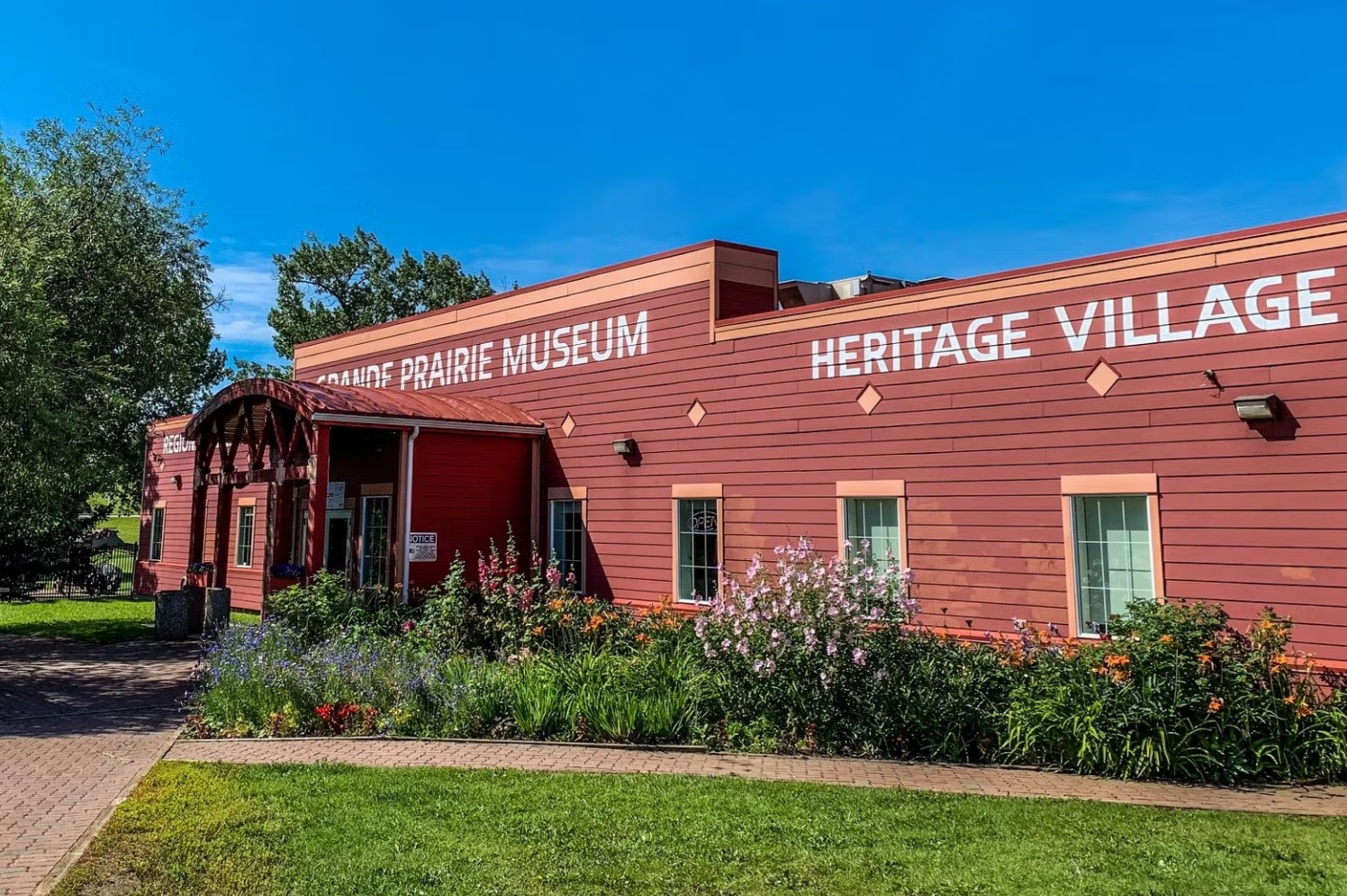
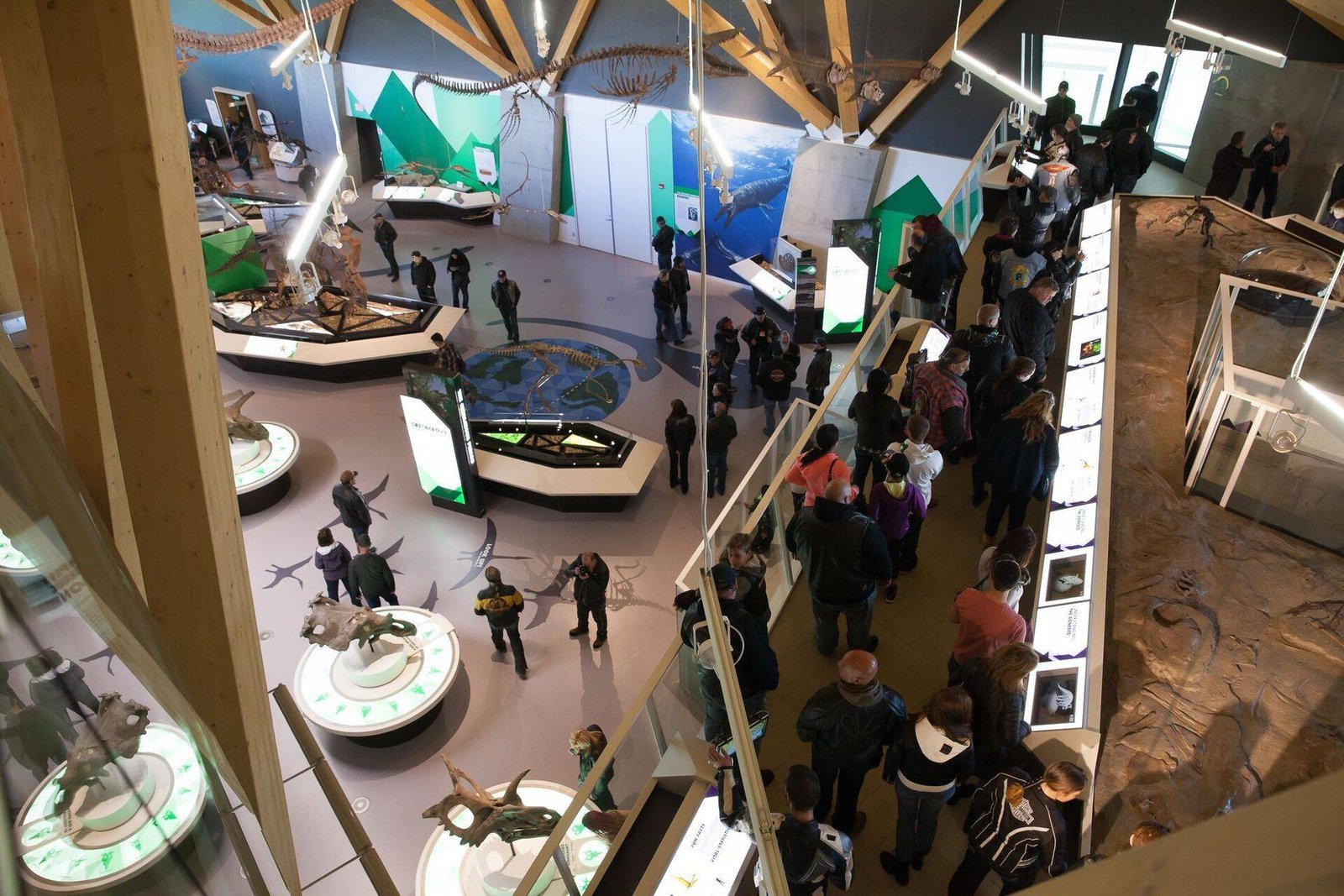
The Grande Prairie Museum is an essential starting point for anyone wishing to embrace the rich history of the region. This must-see establishment proposes a complete journey through varied exhibits covering local evolution from its very beginnings. Visitors can admire captivating collections highlighting the lives of early pioneers and the profound heritage of Indigenous peoples. The museum layout integrates sections dedicated to paleontology with dinosaur fossils, the development of the railways, and impressive displays of minerals and military artifacts. Collections of antiques and vintage motorcycles complete this eclectic overview, offering an accessible and fascinating perspective that will capture the interest of the whole family right at the start of the trip.
After exploring these rich urban collections, continue your journey within the same region to dive deeper into the province’s prehistoric past.
Philip J. Currie Dinosaur Museum
The Philip J. Currie Dinosaur Museum stands out as a premier international experiential learning institute entirely dedicated to Alberta’s rich paleontological heritage. Renowned for its world-class collections and highly innovative exhibit designs, the museum does not limit itself to its indoor spaces. It offers outdoor interpretive tours that guide the public directly into the field, allowing visitors to see with their own eyes some of the richest bonebeds and historic sites in the region. This major scientific and educational stop provides a clear understanding of the crucial role this portion of Canadian territory played in the ancient history of the Earth.
Continue your exploration of the region’s natural landscapes and unique landforms by heading toward a wild site where nature meets human memory.
Kleskun Hill Museum
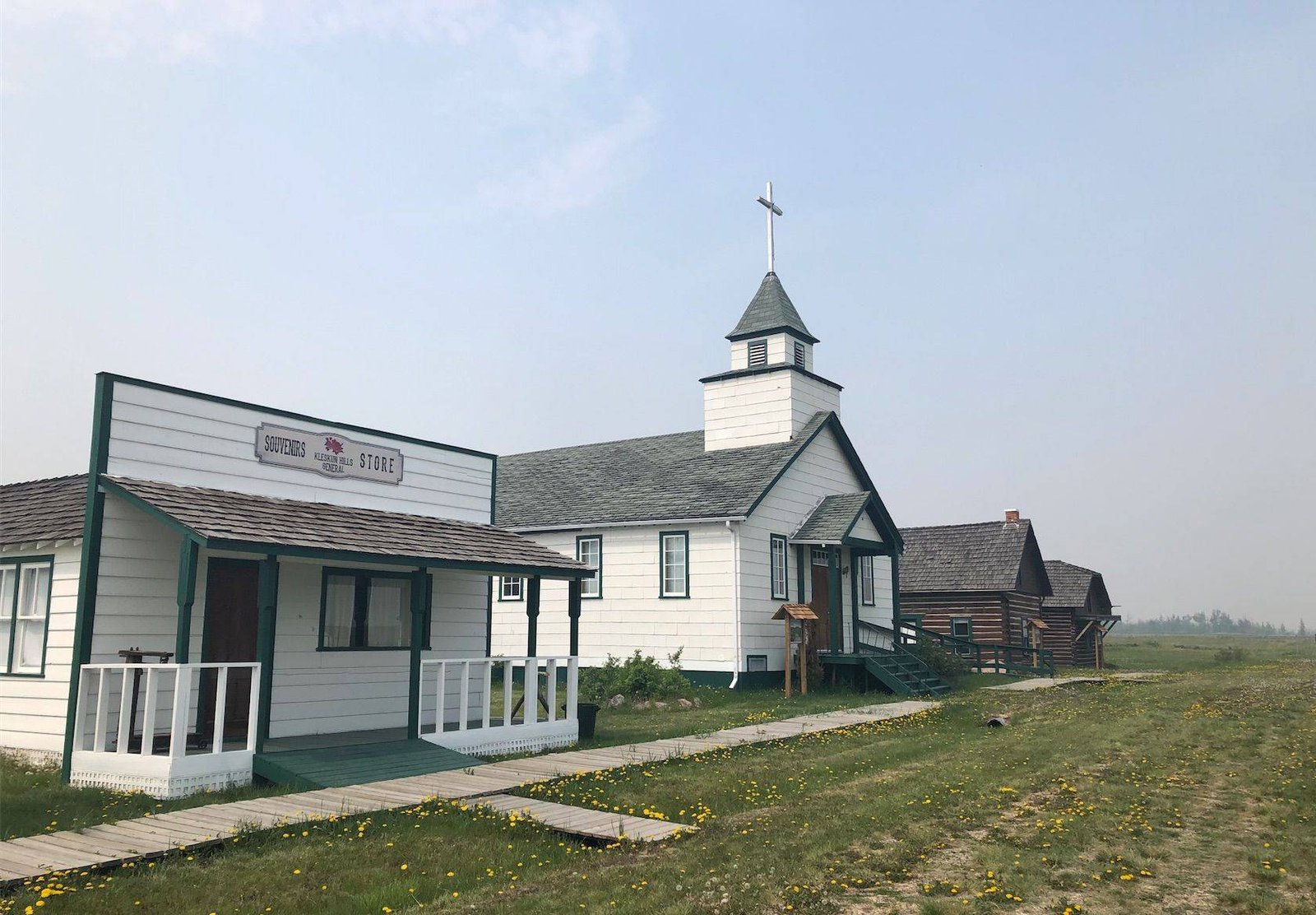
The historic Kleskun Hill Museum showcases a remarkable collection of restored pioneer buildings arranged on a flat, preserved natural site. Walking through this open-air museum, visitors discover a multitude of vintage agricultural tools and various commemorative items that narrate the daily life of early settlers. The complex includes the East Kleskun School along with its teacher housing, where the original brass school bell is carefully preserved. Two farmhouses, a barn, a blacksmith shop, a general store, and a church complete the tour. The site also features a historic cemetery, serving as a peaceful witness to one of the last territorial conflicts between the Beaver (Dane-zaa) and Cree tribes.
As you leave these history-filled hills, enjoy a recreational break at the Corn Maze and Country Clutter Decor, a large family corn maze featuring a supportive sunflower patch, before driving toward the spectacular Peace River Valley.
Historic Dunvegan Provincial Park
Nestled in the heart of a spectacular valley, Historic Dunvegan Provincial Park offers a vivid journey into Alberta’s cultural roots, which are deeply steeped in the fur trade, mission life, and Indigenous history. On-site, four original buildings, fully furnished and carefully restored, stand proudly in the exact spot where they were constructed over a century ago. Passionate historical guides accompany visitors to share the stories, anecdotes, and human dynamics that helped build the Alberta of today. It is an essential place of remembrance where the built heritage resonates harmoniously with the raw beauty of the surrounding natural environment.

Heading north toward Fairview, take advantage of the plant sanctuary at Grow North Gardens to stroll through its large eco-responsible greenhouse. Afterwards, continue east toward McLennan, where you can settle comfortably at The Lodge at Kimiwan to enjoy shoreline trails and ice fishing before reaching the heart of regional history.
Smoky River Historical and Genealogical Society
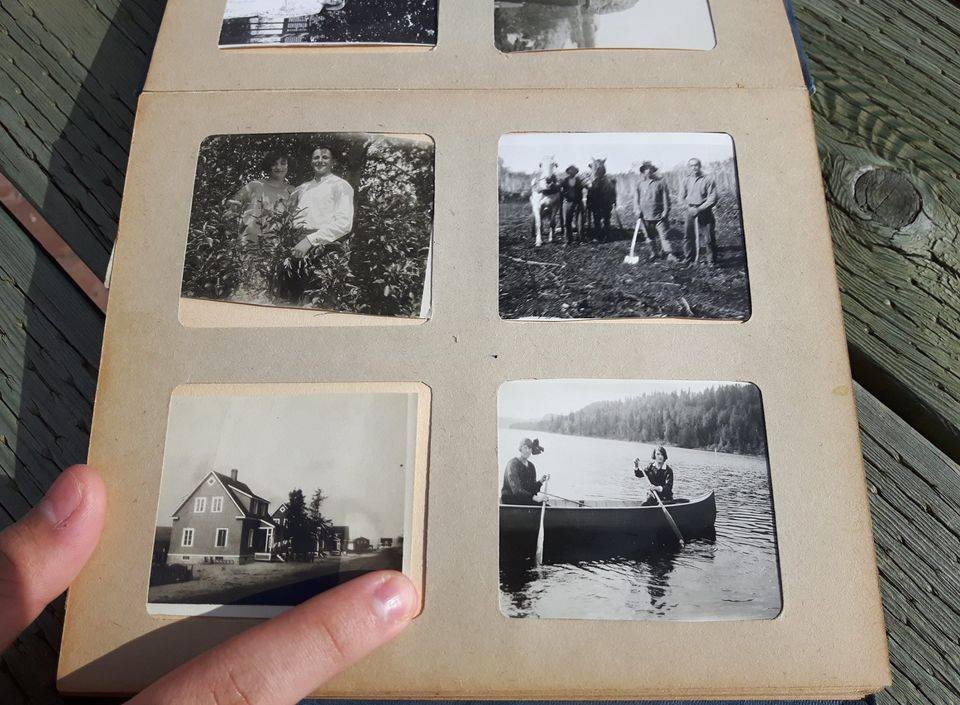
Recognized as a major Francophone hub for history and genealogical research in Western Canada, the Smoky River Historical and Genealogical Society offers a vast collection of archival documents. This specialized space is ideal for travelers wishing to undertake personal research and trace the path of their ancestors. Beyond its preservation mission, the organization aims to create and strengthen solid bonds among Francophone communities near and far, whether they come from different Canadian provinces, the United States, or even overseas, making this location a true cultural and memorial crossroads.
Just a short distance from this archival center, the town of Falher hides other modern and welcoming spaces for community gathering.
Le 3E espace
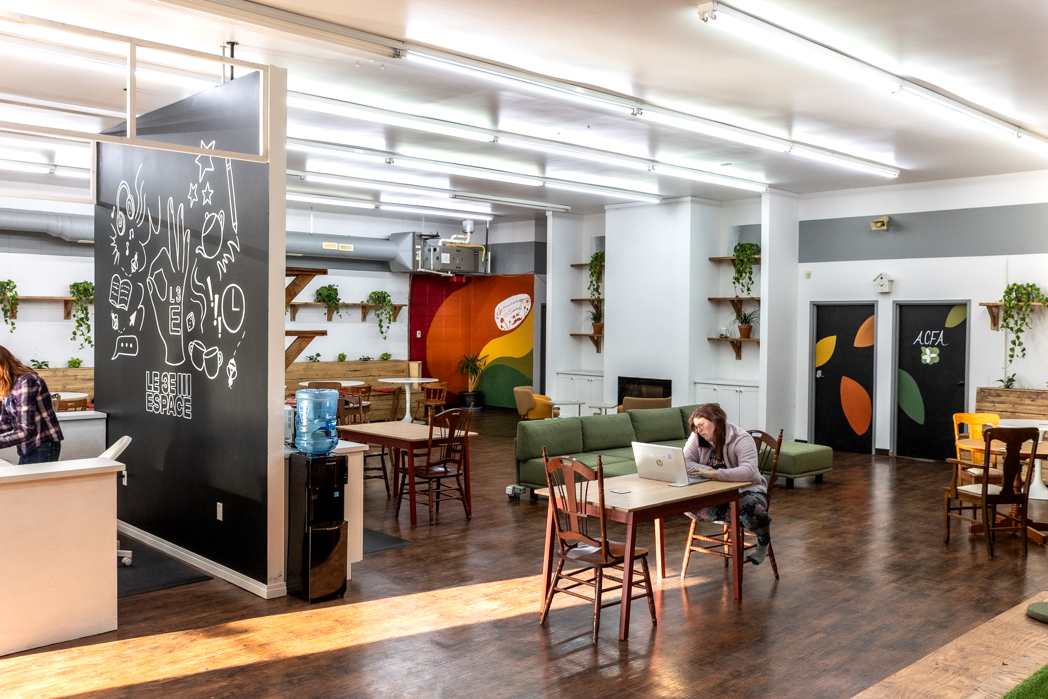
Inspired by the innovative concept of an “uncafé,” Le 3E espace in Falher reinvents daily community life as the region’s premier third-place. This warm environment, located halfway between home and work, is designed for relaxation, creativity, and building lasting connections. Operating on an inclusive model based on time spent or membership, the venue grants open access to hot drinks and snacks. Open year-round, it welcomes residents and passing travelers looking for a friendly environment to work, read, or play. Furthermore, public workshops and events are fully accessible to tourists without any prior membership requirement.
Leave the modern comfort of this third-place to explore the surrounding countryside, where a spiritual architectural gem stands.
St. Jean-Baptiste Mission
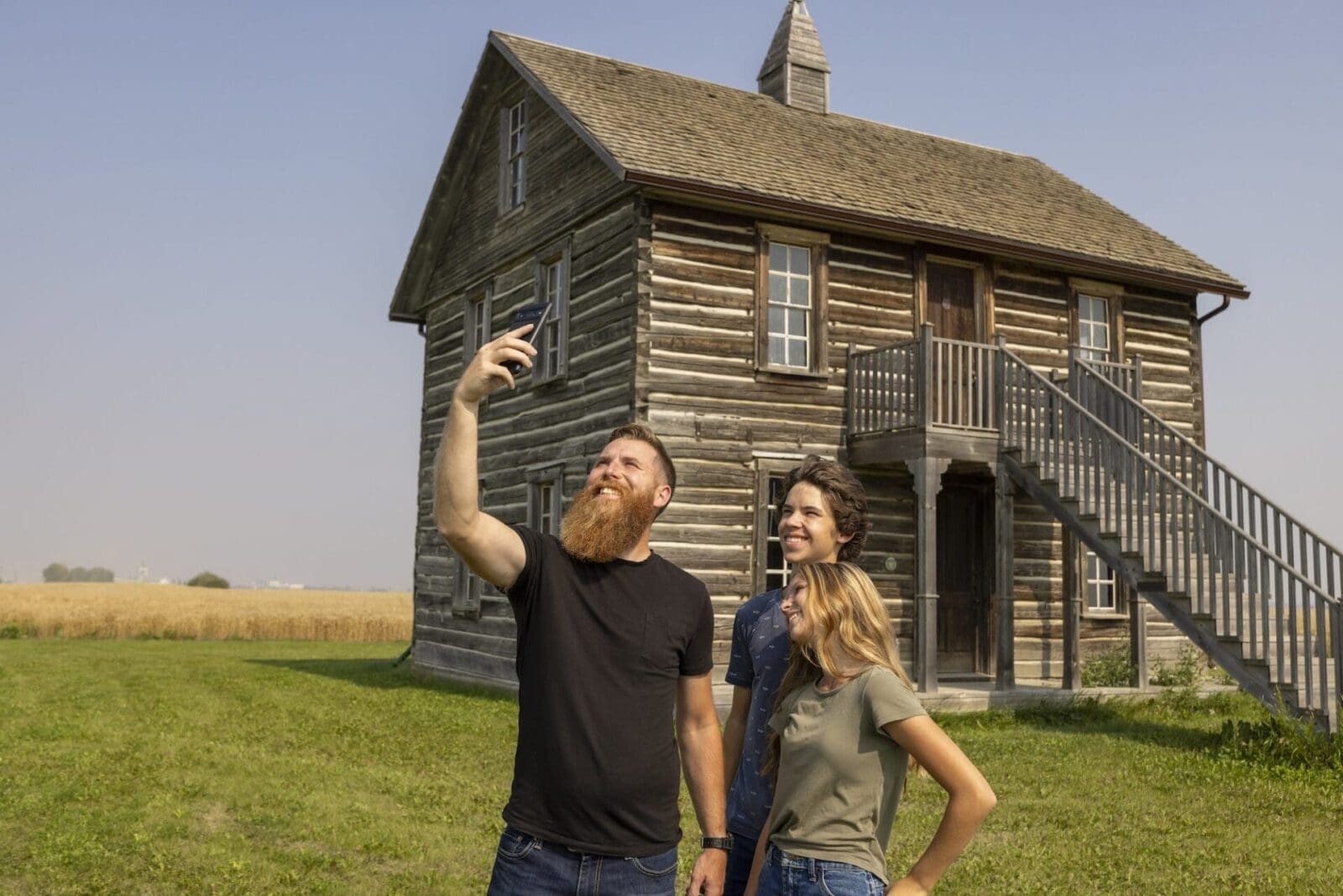
Erected in 1914 in the middle of a vast 64-hectare rural property about four kilometers southeast of Falher, the Roman Catholic St. Jean-Baptiste Mission church represents the spiritual heart and anchor point of local Francophone colonization. Born from a pastoral desire to establish a strong Franco-Catholic hub in Northern Alberta, the mission saw the settlement of thirty-five families from Quebec and New England. Architecturally, the building is an absolute rarity in the province. Built of round logs with remarkably precise dovetail notches, this two-and-a-half-story structure can be admired year-round from the outside, while its doors open in the summer to reveal its historic interior.
Returning toward the center of the municipality, you will completely change scenery to greet an unusual monument celebrating the town’s agricultural identity.
Falher World’s Largest Bee
Standing proudly in Falher, the World’s Largest Bee is a monumental structure created by a local welder. This work pays direct tribute to the Honey Capital of Canada, a community that prides itself on a highly prosperous beekeeping industry. The statue recalls the importance of this economic tradition, which is celebrated every year during the local Honey Festival. This community event showcases the creativity of the inhabitants through original bee-themed animations, including the highly popular and impressive human bee beard competition, which attracts many curious onlookers and demonstrates the festive spirit of the region.

After this playful stop, resume your journey northward toward the community of Nampa for a break dedicated to plant-based well-being.
Green Goddess Workshop
Established in the heart of the Nampa community, The Green Goddess studio offers a genuine return to the wisdom of plants. Founded by herbalist Sarah Keates, this well-being space promotes healthy rituals through plant-based skincare and handcrafted natural remedies. Made in small batches using organic and eco-responsible ingredients, many of these products incorporate wild herbs gathered directly from the local area. In addition to discovering the range of botanical mists or restorative oils, visitors can sign up for seasonal workshops and private circles to learn the art of natural remedies in a warm atmosphere.

Leave this haven of botanical gentleness to head toward the neighboring hamlet of St. Isidore, a stronghold of local Francophone culture.
St. Isidore Cultural Centre
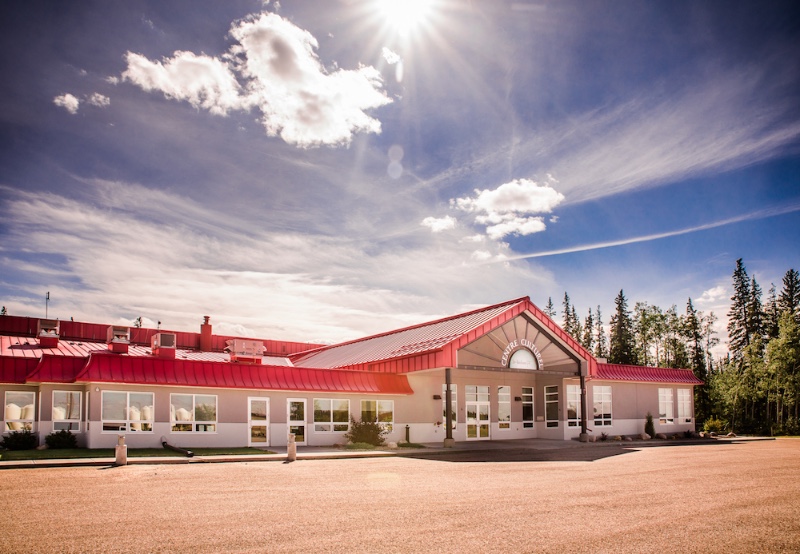
Located in the picturesque hamlet of St. Isidore, this Cultural Centre showcases the historical heritage of the Francophone community that allowed families from Quebec to settle within the Peace River region. The on-site museum houses a rich collection of costumes, vintage photographs, and authentic artifacts that tell the story of the daily hardships and victories of these brave pioneers. One of the highlights of the visit is a full-scale replica of a train car, a display that allows visitors to concretely visualize the long journey undertaken by these families traveling with their livestock to build their homes in the North.
Core memories established, continue your journey north along the highway toward the town of Manning to discover an impressive open-air historical complex.
Battle River Pioneer Museum
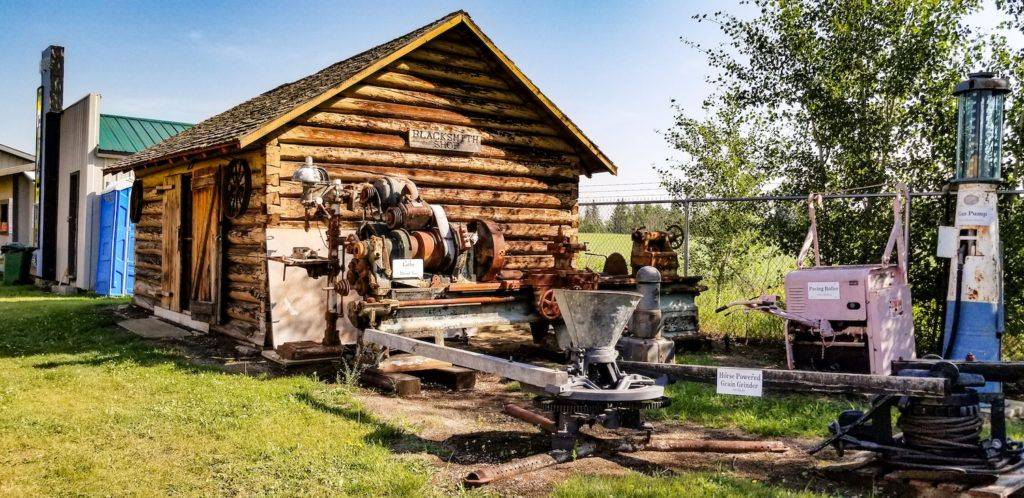
Located just east of the town of Manning, the Battle River Pioneer Museum offers an immense journey into Alberta’s rural and agricultural past. This vast heritage complex brings history to life through a collection of authentic structures, including a community church, a pioneer cabin, a blacksmith shop, and a vintage windmill. Machinery enthusiasts will be impressed by the large selection of antique agricultural equipment, such as early tractors and threshers. The site comes alive particularly during its Heritage Weekend in August, which features a massive vintage tractor parade as well as live old-time threshing demonstrations.
Before continuing further north, treat yourself to a moment of sport or a night outdoors at the Condy Meadows Golf Course & Campground in Hotchkiss, then head toward La Crete.
La Crete Mennonite Heritage Village
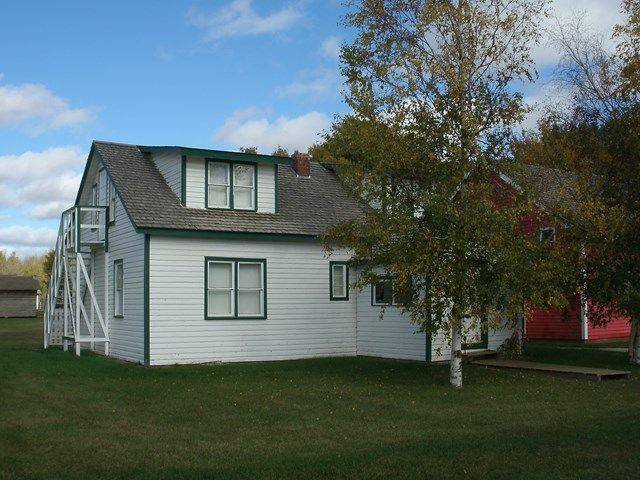
Set on a beautiful ten-acre agricultural plot, the La Crete Mennonite Heritage Village invites visitors to discover the unique lifestyle of this community, which is firmly established in the region. The site brings together numerous relocated and restored historic buildings, including a flour mill, a general store, a period school, a sawmill, and the original Tompkins Landing ferry. While freely accessible all summer for guided tours, the village comes alive in spectacular fashion during the annual Pioneer Day, offering the perfect opportunity to observe antique farm equipment in action and taste traditional local foods.
Leave this agricultural heritage behind and travel toward one of the oldest settlements in the North, located on the banks of the Peace River, to explore its archives.
Fort Vermilion Heritage Centre
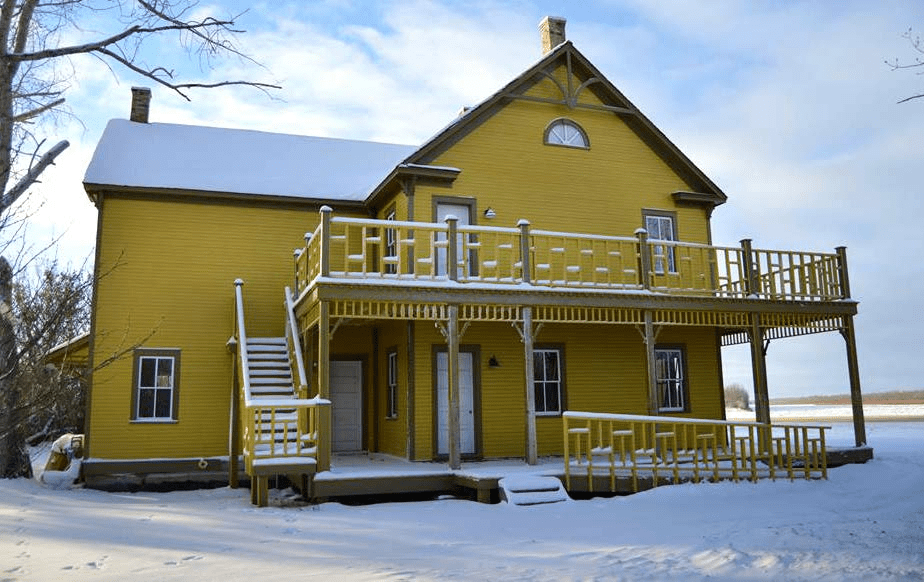
Dedicated to the preservation and presentation of northern Alberta’s past, the Fort Vermilion Heritage Centre features a natural history museum, an archives center, and two heritage houses. Its eclectic collections cover crucial regional themes, ranging from prehistoric fossils to the fur trade, the lifestyle of the First Nations, northern farming, and the 2020 floods. The site, accessible by donation, offers high-quality guided tours led by passionate staff. During the summer, the experience becomes even more engaging with a historical interpretive mini-golf course and an escape house.
Leaving Fort Vermilion heading east, enter the territory of the Child Lake reserve to discover a unique monument of faith and collective effort.
Eleske Shrine
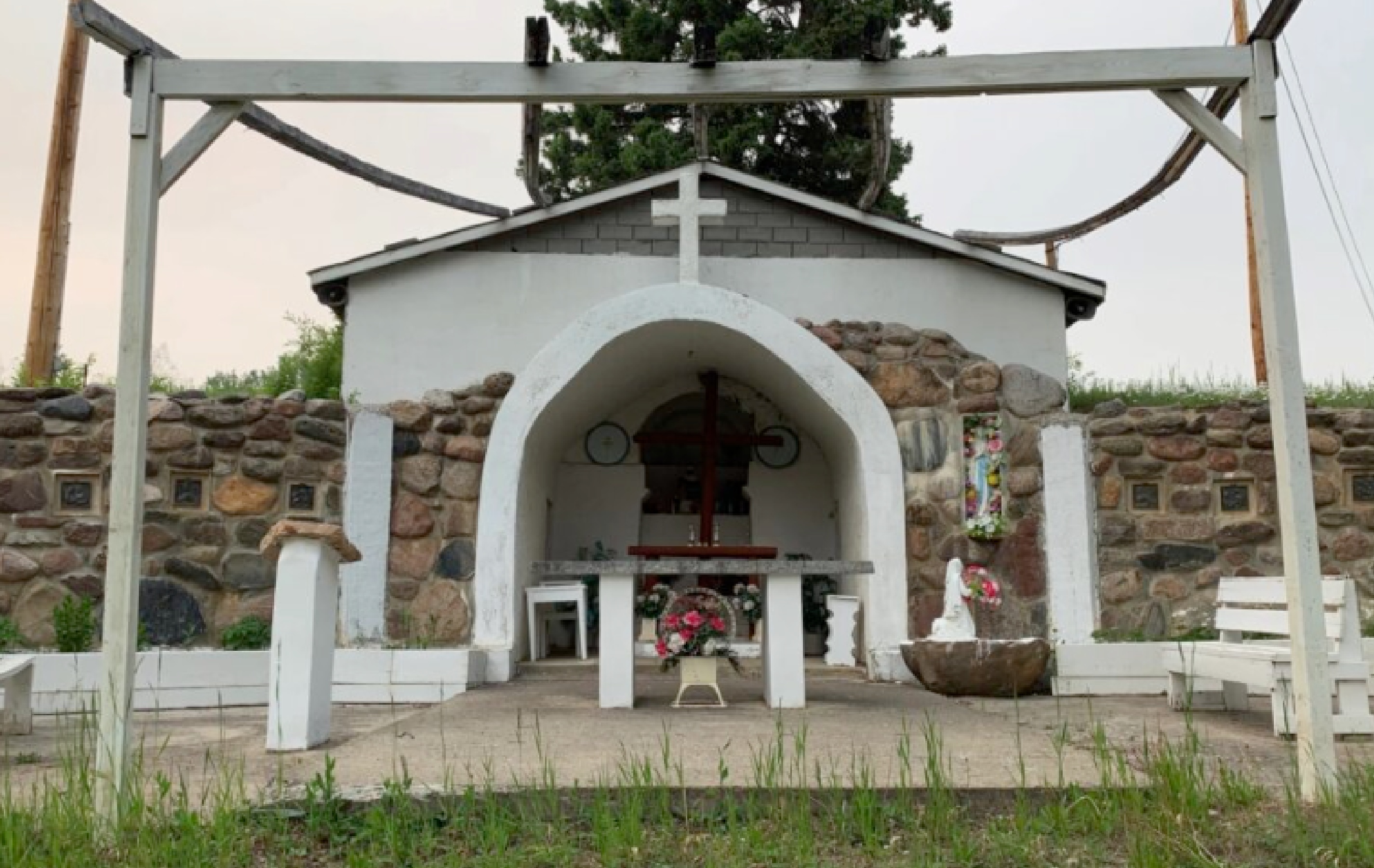
Nestled south of Highway 58 East, the Eleske Shrine, whose name means “Land of White Mud” in the language of the Beaver First Nation (Dane-zaa), is a vibrant symbol of resilience. Built between 1944 and 1945 during a tuberculosis epidemic, this structure dedicated to St. Bernadette was born from the community’s desire to stem the disease through devotion. The inhabitants built this shrine entirely by hand, excavating and transporting every stone from the bed of the Boyer River using simple shovels. Today, this historic site remains a major place of pilgrimage, drawing hundreds of visitors every year in July.
To beautifully close this great boreal itinerary, head back to the main highway toward the regional visitor center, a true crossroads of information and culture.
Mackenzie Crossroads Museum and Visitor Centre
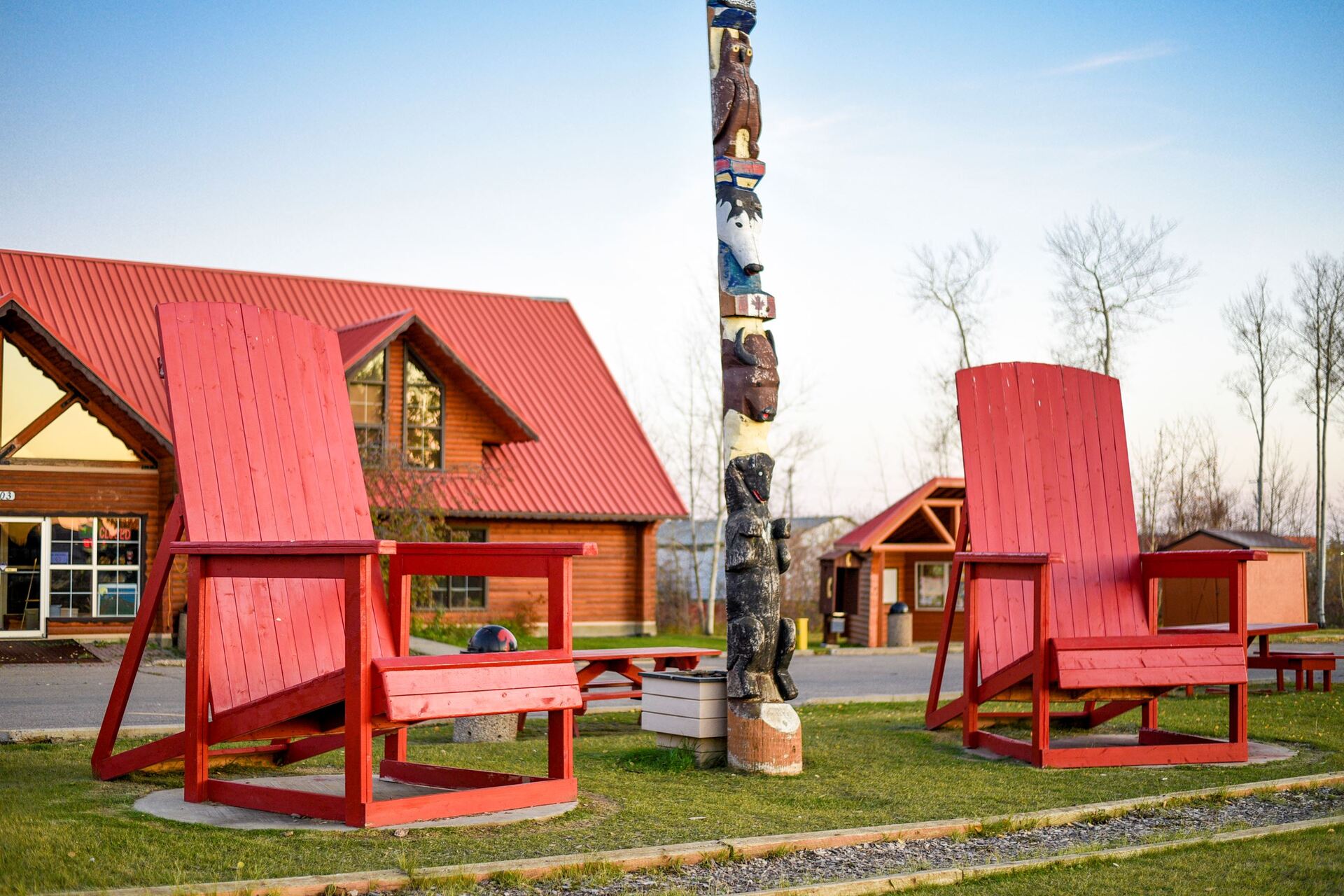
The final stop on this circuit, the Mackenzie Crossroads Museum and Visitor Centre stands out with its remarkable log structure. This multi-functional stop combines a comprehensive tourist information center and a captivating museum dedicated to the human history of this vast northern region. Travelers can enjoy Wi-Fi access, browse a gift shop filled with local souvenirs and crafts, or relax in the large outdoor grassed picnic area. The knowledgeable and welcoming staff will be delighted to guide you on the rest of your journey, bringing your tour to a warm conclusion.